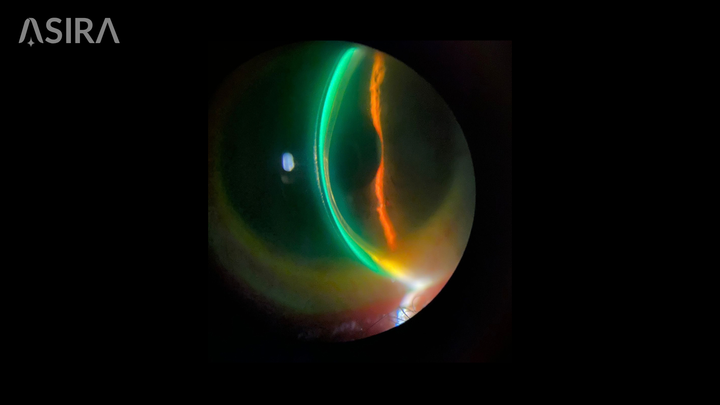
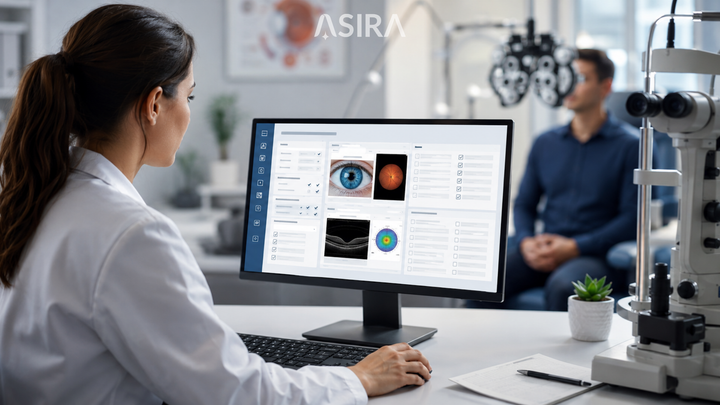
Why Specialty Contact Lens Fitting Requires a Different Kind of Optometrist Specialty contact lens fitting is more than choosing a lens. Explore the clinical reasoning, patient assessment, troubleshooting and documentation behind successful fits.
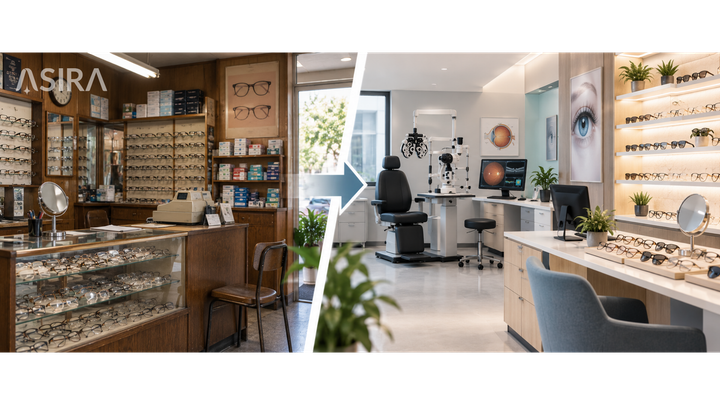
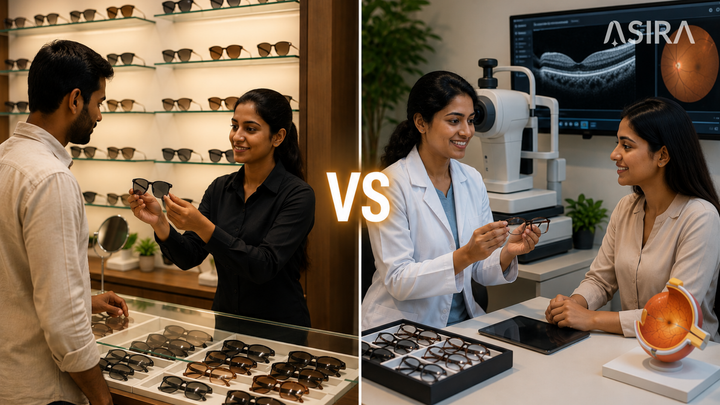
From Optical Shop to Primary Eye-Care Centre India’s optometry model is evolving, as optical practices become more clinical, education advances, regulation strengthens, and a new generation reshapes the profession.
When Should an Optometrist Refer? The Grey Areas Between Optometry and Ophthalmology When should an optometrist refer? Explore referral decisions, urgency, specialist selection, and how ASIRA supports better clinical handovers.
5 Signs Your Optometry Practice Has Outgrown Spreadsheets Is your optometry practice outgrowing spreadsheets? Discover five signs that it may be time for a smarter, connected practice management system.
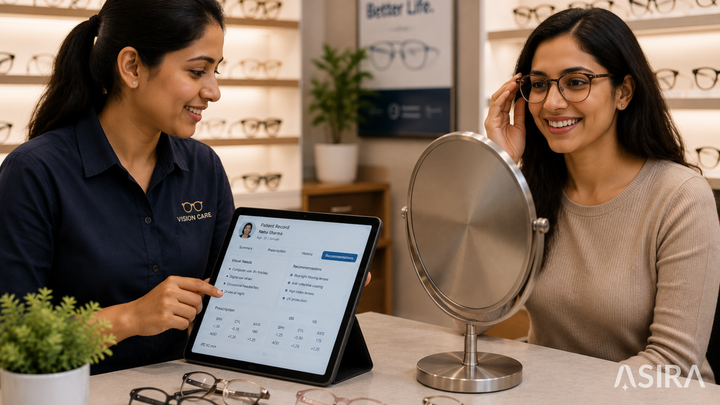
How Better Clinical Documentation Can Improve Optical Conversion Better clinical documentation can connect clinical recommendations with the right optical solutions, improve the patient experience, and support better optical conversion.
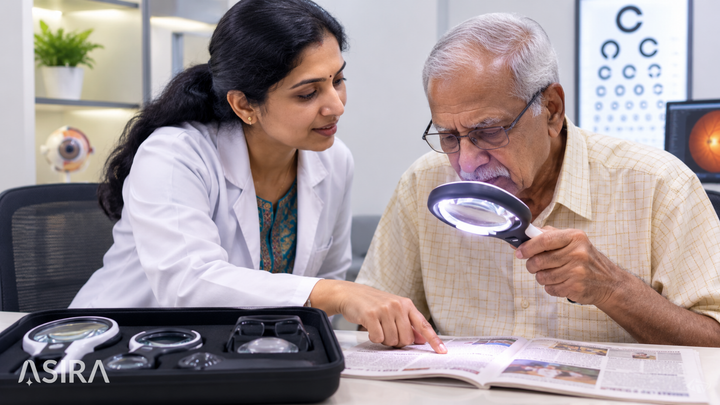
Making Low Vision Evaluation Easier and More Comprehensive with ASIRA Make low vision evaluations more efficient with structured documentation, clear aid prescriptions, easier follow-up and outcome monitoring.
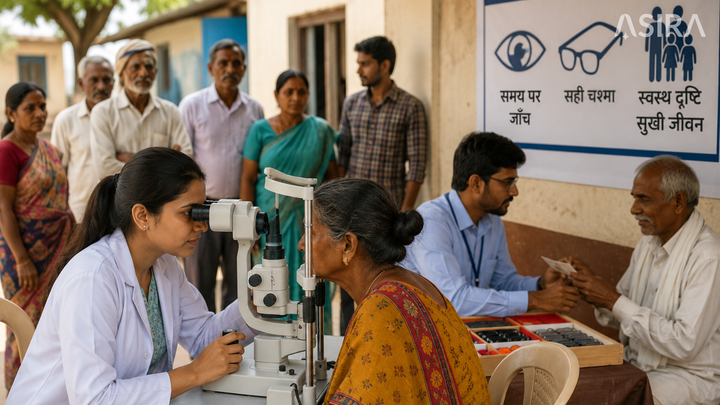
Why Community Eye Care Matters in India Community eye care can bring essential eye services closer to people, strengthen referrals and help ensure timely, continuous care across India.
Why "Off-Label" Is One of the Most Misunderstood Terms in Clinical Practice Off-label doesn't mean unsafe or inappropriate. Learn what it really means and why orthokeratology is the perfect example.
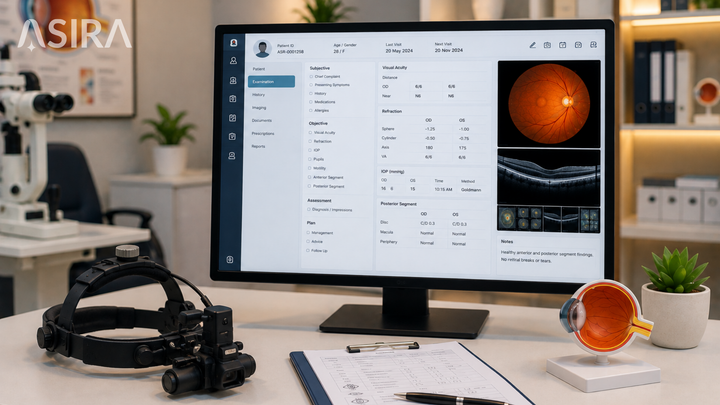
Are You Recording Enough Data During Every Eye Examination? Learn why comprehensive clinical documentation protects patients, reduces medico-legal risk and helps optometrists deliver better eye care.
How Ayushman Bharat is Transforming Eye Care in India Discover the difference between EMRs and EHRs, how Ayushman Bharat is transforming digital healthcare, and why connected eye care is the future.
Myopia management 2.0: Updated graphs, extended patient history and forecasting tools. The International Myopia Institute describes ongoing monitoring of refraction and axial length as central to comprehensive myopia management. ASIRA’s updated Myopia Management Template is designed around this approach
Does your optical store REALLY require barcodes? 🤷 For many optical stores, a well-organised, searchable inventory system can make everyday product lookup faster and simpler, without making every frame dependent on a physical barcode.
What Your Practice Data Is Really Telling You Every day, we make hundreds of decisions in our practices guided by years of clinical experience. However, some of the most valuable insights into our practice emerge only when we step back and look at the bigger picture.
Why Every Comprehensive Eye Examination Should Include Dry Eye Screening Dry eye disease has become one of the most frequently encountered conditions in clinical practice. Yet dry eye remains one of the most underdiagnosed and undertreated conditions by eye care practitioners.
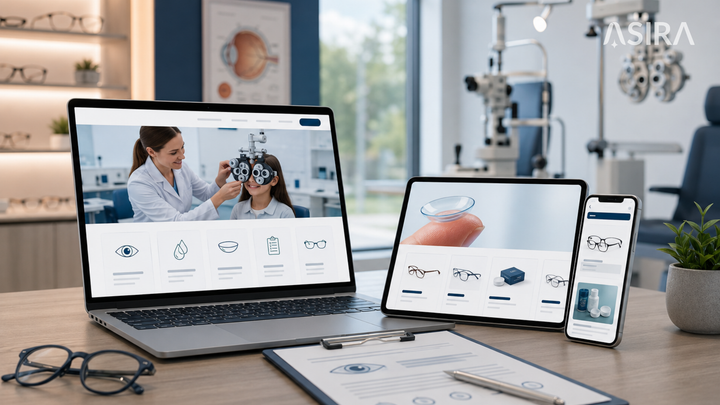
Every Independent Eye Care Practice Needs a Website, It's No Longer Optional While patient referrals and long-standing relationships within the local community remain among the most valuable sources of new patients, they are no longer the only factors influencing how patients choose an eye care provider.
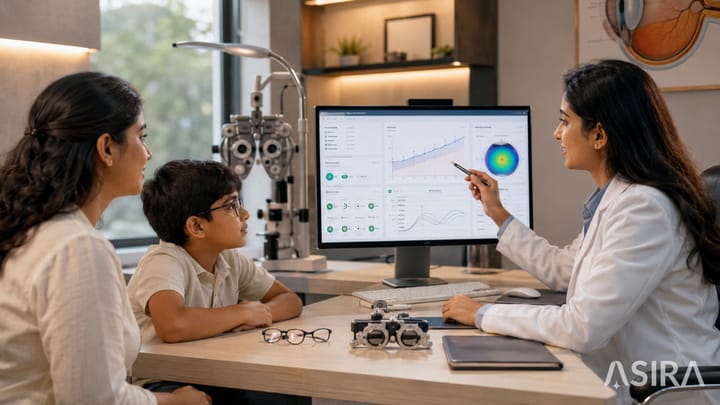
Patients Value Communication More Than Technology Walk into any modern eye care practice and you'll likely find an impressive collection of technology. Yet when patients reflect on what made their appointment memorable, they rarely begin by talking about the equipment.
Can Clinical Templates Improve Diagnostic Accuracy? Every optometrist develops their own routine. Over time, we learn which questions to ask first, which tests are essential, and how to adapt an examination based on the patient's symptoms.
10 Administrative Tasks That Are Secretly Stealing Hours From Your Week Most independent practice owners do not realise how much time they spend on administration until they stop and measure it.
Running a Retail Business Vs. Using Retail to Support Clinical Care in Your Optometry Practice The optical dispensary occupies a unique position within contemporary eye care practice. Unlike most healthcare environments, optometric practice integrates both clinical and retail functions within the same patient journey.
Why Patients Still Choose Independent Optometrists Over Large Optical Chains The global eye care industry is undergoing a period of rapid consolidation. Corporate optical chains, vertically integrated eyewear conglomerates, and private equity-backed healthcare organisations continue to expand their influence across the vision care sector.
The Hidden Cost of Poor Clinical Documentation in Optometry Clinical documentation forms the foundation of defensible, continuous, and evidence-based healthcare delivery.
Why Small Eye Care Practices Struggle With Follow-Ups and How to improve your Follow-Up Rate. Patient follow-up remains one of the most overlooked operational challenges in independent optometry and ophthalmology practices.
Why Poor Inventory Management Is One of the Biggest Profit Leaks in Optical Practices Inventory represents one of the largest financial investments within modern optical practice. Poor inventory management creates hidden financial losses that extend far beyond unsold frames.
Why Optometry Regulation Differs Around the World And Why India’s NCAHP Act Matters Optometry is one of the most diverse healthcare professions in the world. This variation is not simply a matter of clinical capability. It is shaped by legislation, regulation, education standards, healthcare infrastructure, and professional recognition.
Artificial Intelligence and Clinical Decision Making in Optometric Practice Artificial intelligence is no longer a futuristic concept in eye care. It is already transforming how optometrists diagnose disease, manage patients, interpret imaging, and make clinical decisions.
Building an Evidence-Based Clinical Protocol for Myopia Management As the prevalence of childhood myopia continues to rise globally, the focus of modern clinical care has shifted from merely correcting refractive error to actively slowing axial elongation and reducing lifelong ocular morbidity.
Different Roles and Shared Goals in Teleoptometry and Teleophthalmology, and How ASIRA Connects Them. Telemedicine has reshaped healthcare delivery over the past decade, and eye care is no exception.
Removing the Friction in documenting Ocular Structures. Discover how eye care practices can improve ocular structure documentation with digital drawing tools, grading scales, image uploads, cup-to-disc ratio capture, and customizable pre-filled clinical findings.
Why ASIRA Sends WhatsApp Messages from an ASIRA-Verified Number (and NOT a Personal Number) For eye care practices, every patient message must be trusted, traceable, and compliant. That is exactly why ASIRA sends WhatsApp messages through an ASIRA-managed, verified business channel instead of a practitioner’s personal WhatsApp number. 1) WhatsApp Business API requires verified sender identity On the official WhatsApp Business Platform, phone
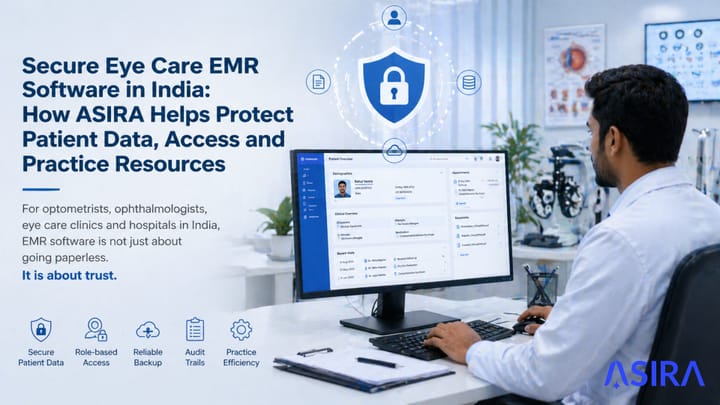
ASIRA's Secure EMR Infrastructure helps Protect Patient Data, Access and Practice Resources. ASIRA helps eye care professionals protect patient data with role-based access control, AWS-infrastructure, secure backups and resource controls.
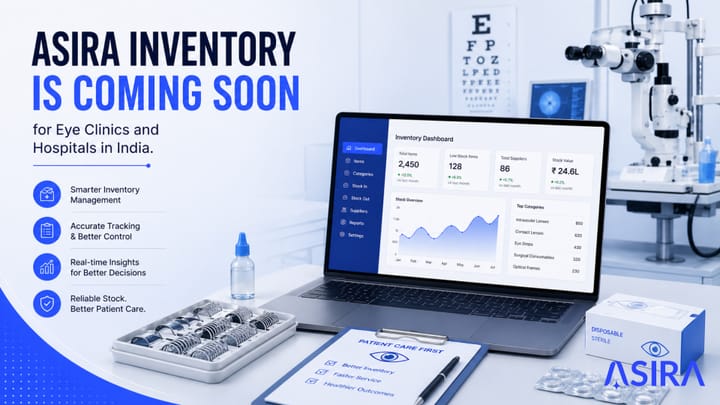
ASIRA Inventory Is Coming Soon for Eye Clinics and Hospitals in India. ASIRA Inventory is built for eye clinics and hospitals that dispense spectacles, contact lenses, and eye care products. It helps reduce manual stock work, improve SKU control, and make inventory easier for clinical and admin teams.
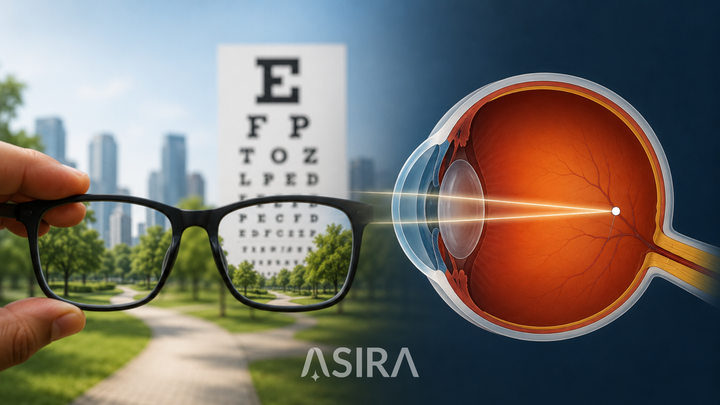
Current Evidence, Optical Principles, and Clinical Application for Myopia Control Spectacle Lenses. Myopia is increasingly recognised as a significant public health concern, with projections suggesting that nearly half of the global population may be affected by 2050.
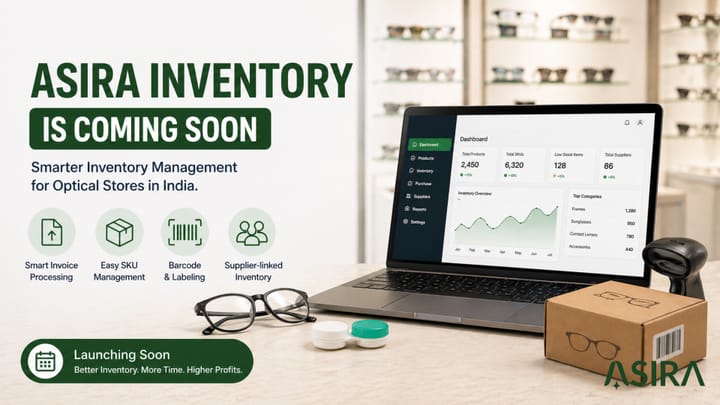
ASIRA Inventory Is Coming Soon: Smarter Inventory Management for Optical Stores in India ASIRA Inventory is built for optical stores and opticians who want faster stock inwarding, cleaner SKU management, supplier-linked inventory, and barcode-ready workflows.
Practice Analytics in Eye Care: How ASIRA’s New Performance Section Turns Data Into Better Care and Higher Revenue With modern electronic medical records (EMRs), data is increasingly accessible and, more importantly, it can be transformed into insights that directly improve patient outcomes and practice performance.
Digital Eye Strain in the Hybrid Work Era: Current Best Practices for Diagnosis and Management While this work flexibility brings numerous benefits, it has also contributed to a rise in digital eye strain (DES), also referred to as computer vision syndrome (CVS).
Artificial Intelligence for Detecting Keratoconus: What the Latest Evidence Says and Why It Matters for India Why Keratoconus Matters Keratoconus is a progressive eye disease that usually starts between the ages of 10 and 40. The cornea gradually weakens and thins, bulging into a cone-like shape. Early on, glasses or contact lenses may work, but as the disease advances, vision worsens, sometimes requiring corneal transplantation. The
Nutrition and Myopia: What the Evidence Really Says and How to Counsel Patients One of the most common questions eye care practitioners hear from parents of children with myopia is: “Can diet help my child’s eyes?” The belief that nutrition influences eye health is widespread, and for good reason. We know that nutrition plays a role in growth, body composition, and overall
Pilocarpine Eye Drops for Presbyopia: How Effective and Safe Are They Compared to Glasses and Lenses? Presbyopia is something every eye care practitioner sees daily. By the time people reach their early forties, many start holding their phone or book further away to read clearly. It’s an age-related loss of near focusing power, affecting an estimated 1.8 billion people worldwide. For decades, the standard
Informed Consent in Eye Care: Legal, Ethical, and Practical Considerations Informed consent is a fundamental aspect of modern medical practice and a cornerstone of ethical and legal patient care. In ophthalmology and optometry, where procedures can significantly affect a patient’s vision and quality of life, obtaining informed consent goes beyond a legal obligation, it is an ethical duty that
Workflow Automation in Eye Clinics: How ASIRA’s New Features Reduce Staff Burnout and Elevate the Patient Journey Running an eye care practice today goes far beyond diagnosing and treating patients. Behind every consultation lies a chain of administrative steps: scheduling, follow-ups, order tracking, billing, internal coordination, all of which need to happen smoothly for the clinical side to function well. When these processes rely on memory, paper,
Artificial Intelligence in Diabetic Retinopathy Screening: A Comprehensive Overview Diabetic retinopathy (DR) is a leading cause of blindness among working-age adults globally. Early detection and timely intervention are crucial in preventing vision loss associated with DR. Traditional screening methods often involve manual assessment of retinal images by trained specialists, which can be time-consuming and subject to human error. The
Optometry in India Is Finally Being Recognised, But Only If We Claim It. For the first time in India’s history, optometry has been invited to step forward and be recognised. Not as a trade, not as a supporting role, but as a healthcare profession that deserves national registration, licensure and identity.
Why Cloud-Based EMRs Are Becoming Essential in Eye Care Cloud-based EMRs are redefining modern eye care by improving access, security, collaboration, and clinical efficiency. Here is how platforms like ASIRA help practices move toward a smarter, patient first future.
Our Referral Program will help you get Unlimited Free Months of ASIRA. Our Referral Program will help you get unlimited Free Months of ASIRA.
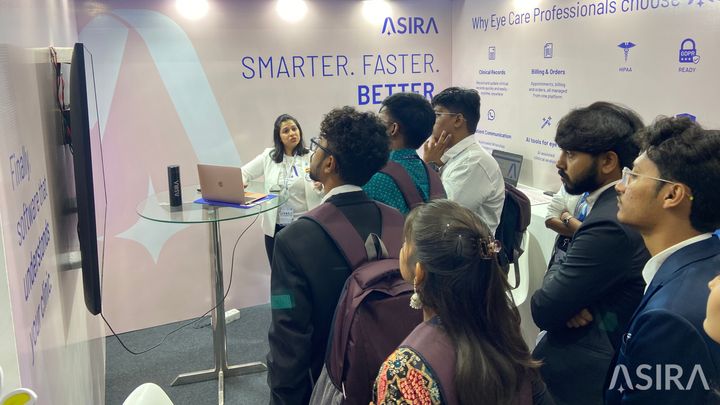
EIVOC 2025: A Celebration of Ideas, Connections, and the Future of Eye Care This year’s EIVOC conference in Chennai was a special one for us at ASIRA. Walking into the exhibition hall each morning, there was a real buzz in the air, the kind that only comes when hundreds of people with a shared passion gather under one roof. Optometrists, educators, and
Blue Light and Eye Health: Separating Fact from Fiction In our screen-saturated world, the term "blue light" has become a buzzword in discussions surrounding eye health. With the surge in digital device usage, especially post-pandemic, concerns about the potential harm of blue light have grown exponentially.
Modern Contact Lens Care: A Comprehensive Guide for Eye Care Practitioners Contact lens technology and hygiene have progressed significantly over the past few decades.
Your Brain + AI = Optometry Superpowers Artificial intelligence is changing the landscape of healthcare, and optometry is no exception.
Is the Cloud Safe for Patient Records? Debunking Myths Around Cloud-Based EMR for Eye Care Professionals Despite the many advantages of Electronic Medical Records (EMRs), a common concern still lingers among optometrists and ophthalmologists: Is the cloud secure enough for storing sensitive patient information?
Bridging the Gap: Theory vs Practical Skills in Optometry In optometry, the divide between classroom theory and real-world practice is a well-recognized challenge—particularly for new graduates navigating their first clinical encounters.
Artificial Tears Demystified: A Clinical Guide to Choosing the Right Formulation for Your Dry Eye Patients Dry eye disease (DED) remains one of the most prevalent and challenging conditions encountered in optometric practice. Eye care practitioners are often left asking: Which drop is best for this particular patient?
Advancements in Tele-optometry: Embracing Remote Eye Care Services Tele-optometry is the application of telemedicine in the field of optometry, enabling eye care services to be delivered remotely using digital technology.
The New 5-Year NCAHP Optometry Curriculum in India: A Step Forward or a Challenge? Optometry education in India is at a major turning point. Under the NCAHP Act, 2021, a standardized five-year Bachelor of Optometry (B.Optom) program has been introduced.
The Role of Optometrists in Detecting Systemic Health Conditions The role of optometrists extends far beyond prescribing glasses and contact lenses. The eyes serve as a window into overall health, allowing optometrists to detect signs of systemic diseases during routine eye examinations
Leveraging Patient Feedback to Improve Optometric Services Patient feedback is a powerful tool that can drive meaningful improvements in optometric practices
Cultural Competency in Optometric Practice: Serving Diverse Patient Populations in India This blog explores the importance of cultural competency in optometry, focusing on language barriers, religious beliefs, gender considerations and socioeconomic disparities
Mastering the Art of Case Presentation at Conferences: A Guide for Optometrists Presenting a case at a conference or scientific session is a great opportunity for optometrists to showcase their clinical expertise, share unique patient cases, and contribute to the broader field of eye care.
Spotting and Managing Binocular Vision Disorders in Everyday Practice Binocular vision disorders occur when the eyes fail to work together effectively, leading to problems with depth perception, eye alignment, or focusing. This blog post focuses on how to detect and properly manage them.
The Science and Art of Spectacle Lens Recommendations Recommending spectacle lenses is both a precise science and a creative art. It requires a deep understanding of optical principles combined with the ability to interpret the diverse needs and lifestyles of patients.
How to Advise Your Patient When They Ask About Refractive Surgery When a patient asks about refractive surgery, it's important to provide available options, their benefits, risks, and suitability based on the patient’s specific needs and ocular health.
Building Excellence: The Critical Role of a Solid Team in Your Optometry Practice In the highly specialized field of optometry, where precision, patient care, and up-to-date knowledge are paramount, the quality of your team can make or break your practice.
The Role of Nutrition in Eye Health: Insights from Recent Research Diet plays a significant role in long-term ocular health. This blog post highlights the key findings and implications of various studies, emphasizing the importance of diet in maintaining eye health and mitigating age-related ocular conditions.
Five Specialty Optometry Practices That Can Help You Grow Your Business As an optometrist, expanding your practice by incorporating specialty services can significantly enhance your business growth and patient retention.
Boosting your Optometry Practice with a Strong Online and Social Media Presence In today's digital age, a robust online presence is essential for any business, including optometry practices.
Decoding the TFOS Lifestyle Report: Impact of the Digital Environment on Ocular Surface Health The Tear Film & Ocular Surface Society (TFOS) conducted a comprehensive workshop to examine the impacts of the digital environment on ocular health, particularly focusing on the ocular surface.
How to Retain Your Existing Patients: A Guide for Optometrists In the competitive field of optometry, retaining existing patients is as crucial as attracting new ones. Patient retention not only ensures steady revenue but also fosters long-term relationships and positive word-of-mouth referrals.
The Long-Term Efficacy of DIMS Spectacle Lenses in Controlling Myopia: Insights from a 3-Year Study The global rise in myopia, particularly in Asian populations, is a pressing public health concern. A promising solution is the Defocus Incorporated Multiple Segments (DIMS) spectacle lens, designed to impose myopic defocus while providing clear vision at all distances.
Optometry Practice: Attracting New Patients In the ever-competitive field of optometry, attracting new patients is essential for the growth and sustainability of your practice. Here are some effective approaches to help you draw more clients to your optometry practice.
Understanding Demodex Blepharitis: A Comprehensive Review Demodex blepharitis is a prevalent and often underdiagnosed condition caused by an infestation of Demodex mites.This condition leads to inflammation of the eyelids and can significantly impact the quality of life.
Lets Talk About Contact Lenses There are so many advantages to contact lens wear, yet the number of ametropic people wearing contact lenses is astonishingly low. Here, we will discuss the various reasons behind this and how to solve them.
The Optometrist's Guide to Opening a Successful Practice in India As an optometrist, you have undergone years of rigorous training to provide essential eye care services to your community. You've honed your skills, gained experience, and now, you're ready to take the next step: opening your own practice. Congratulations! Starting your own optometry practice in India
7 Simple Steps for Detecting Early Keratoconus Keratoconus is a type of corneal ectasia, can present as early as mid to late teens and is potentially blinding if not detected and treated early. So what are the warning signs for a potential keratoconus patient? Here are 7 simple steps to ensure you can competently manage keratoconus.
Step-by-step Guide to Performing a Cover Test The Cover Test is designed to identify eye misalignment, or strabismus, both latent and manifest, which can lead to symptoms such as double vision, headaches or asthenopia.
9 Simple Steps for Glaucoma Screening Glaucoma is a leading cause of irreversible blindness worldwide, and early detection is key to managing this condition effectively. As optometrists, we play a vital role in identifying individuals at risk for glaucoma through comprehensive eye exams.
Technology in Optometry: Advantages of Implementing Electronic Medical Records in your Optometry Practice EMRs can simplify administrative tasks, improve patient care, reduce costs, enhance communication, improve analytics, and offer greater accessibility, scalability, security and disaster recovery options. Optometry practices can significantly benefit from implementing EMRs.
Optometry Practice: Lets talk about Contact Lenses... This article explores the art of contact lens dispensing and how it can help build your optometry practice.
Clinical Pearls in Optometry: Myopia Part 2 This second part of the Myopia series will cover clinical management guidelines and protocols, as well as various myopia management strategies and their efficacy
Optometry Practice: Good Communication and Patient Retention This article discusses the importance of good communication and how it ensures that the patient keeps returning to you for their eye care.
Clinical Pearls in Optometry: Dry Eye Disease - Part 1. Dry Eye Disease (DED) is a common ocular surface condition, due to disruption of the tear film. This series will cover classification, etiology, pathophysiology and management strategies of DED.
Clinical Pearls in Optometry: Myopia Part 1 In 2016, the Late Brien Holden and his colleagues published a paper that shook the eye care field across the world. The paper concluded that by 2050, 50% of the world's population will be myopic, making myopia the leading cause of preventable visual impairment in the world. In
Technology in Optometry: Electronic Medical Records This is part of a series of posts that reviews what to look for and how to choose a practice management software that's right for your practice. Subscribe to our newsletter or follow us on LinkedIn and Facebook for more on how you can leverage technology to scale
Clinical Pearls in Optometry: History Taking This on-going series of articles covers all the various aspects of a clinical eye examination and using an evidence based approach for clinical decision making.
Technology in Optometry: Going Digital This is part of a series of posts that reviews what to look for and how to choose a practice management software that's right for your practice. Subscribe to our newsletter or follow us on LinkedIn and Facebook for more on how you can leverage technology to scale